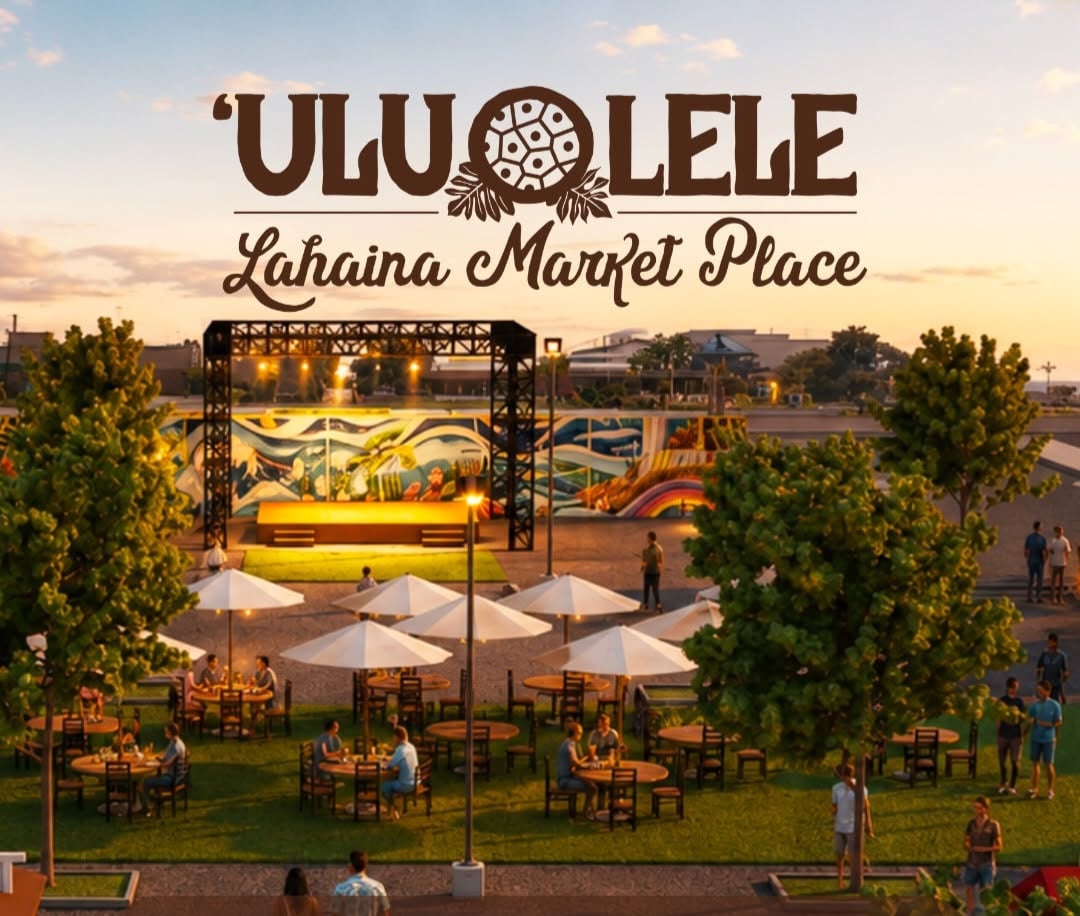
Ulu o Lele: History, Heritage, and Revival in Lahaina, Hawaiʻi
September 20, 2026
September 20, 2026
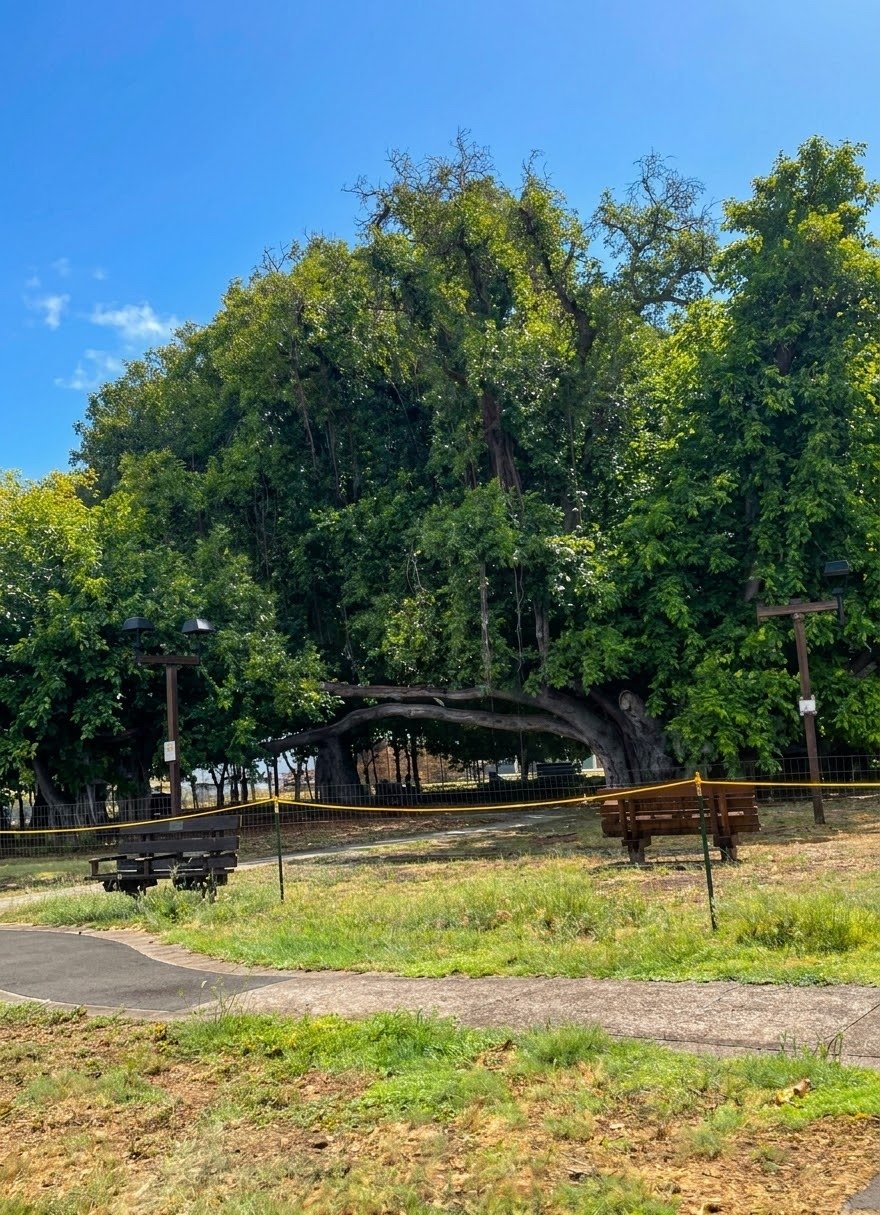
Historically known as Lele (“relentless sun”), the area was named Ulu o Lele—meaning "the breadfruit grove of Lele." In pre-contact Hawaiʻi, Lahaina was not an arid plain, but a lush, spring-fed wetland Oasis sustained by the freshwater streams flowing from the West Maui Mountains (Mäuna Kahalawai).
At the center of this ecosystem was a massive, hand-planted agroforestry canopy dominated by ʻulu (breadfruit) trees, interspersed with kalo (taro) patches, banana, sugar cane, and coconut palms. The grove provided a vital food supply, shade, and microclimate regulation for the community. Beyond its agricultural necessity, ʻulu holds deep cultural and spiritual significance in Hawaiian tradition:
With the arrival of Western trade, the shift toward commercial agriculture, and the rise of the sugarcane and pineapple industries in the 19th and 20th centuries, the natural hydrology of West Maui was drastically altered. Streams were diverted away from the wetlands to feed commercial crops, causing the ancient freshwater springs to dry up.
As a result, the magnificent breadfruit forest of Ulu o Lele shrank, leaving behind an environment far more susceptible to drought, fire, and invasive vegetation.
In recent years, community leaders, cultural practitioners, and scientists have joined forces to restore Lahaina’s historic food forest. Central to this restoration is the University of Hawaiʻi (UH) Root Propagation Project.
To rebuild the historic canopy, researchers and agricultural experts from the University of Hawaiʻi at Mānoa and UH Maui College have engaged in advanced plant propagation and restoration efforts:
The physical restoration of the land goes hand in hand with economic and cultural revitalizations, epitomized by the Ulu o Lele Marketplace.
Designed as a community hub and incubator for local farmers, artisans, and cultural practitioners, the marketplace plays several key roles:
The story of Ulu o Lele is one of resilience, cultural pride, and ecological rebirth. Through the combined efforts of historical research, the UH root propagation project, and community-driven initiatives like the Ulu o Lele Marketplace, Lahaina is actively honoring its roots—ensuring that the sacred breadfruit grove of Lele thrives once again for generations to come.
Find out more about this amazing venture at ʻUlu o Lele.
Stay up to date on the latest real estate trends.

It's almost FAIR time!
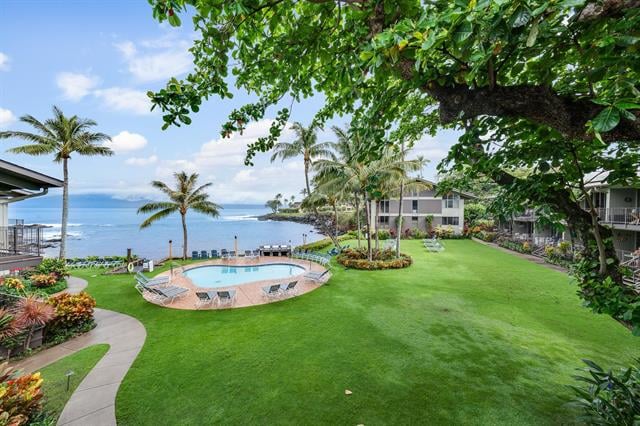
Is it possible to own in Paradise?
Ulu o Lele: Lahaina Market Place
From breathtaking beaches to vibrant communities, Maui offers an unmatched way of life. Explore homes that let you embrace everything the island has to offer.